
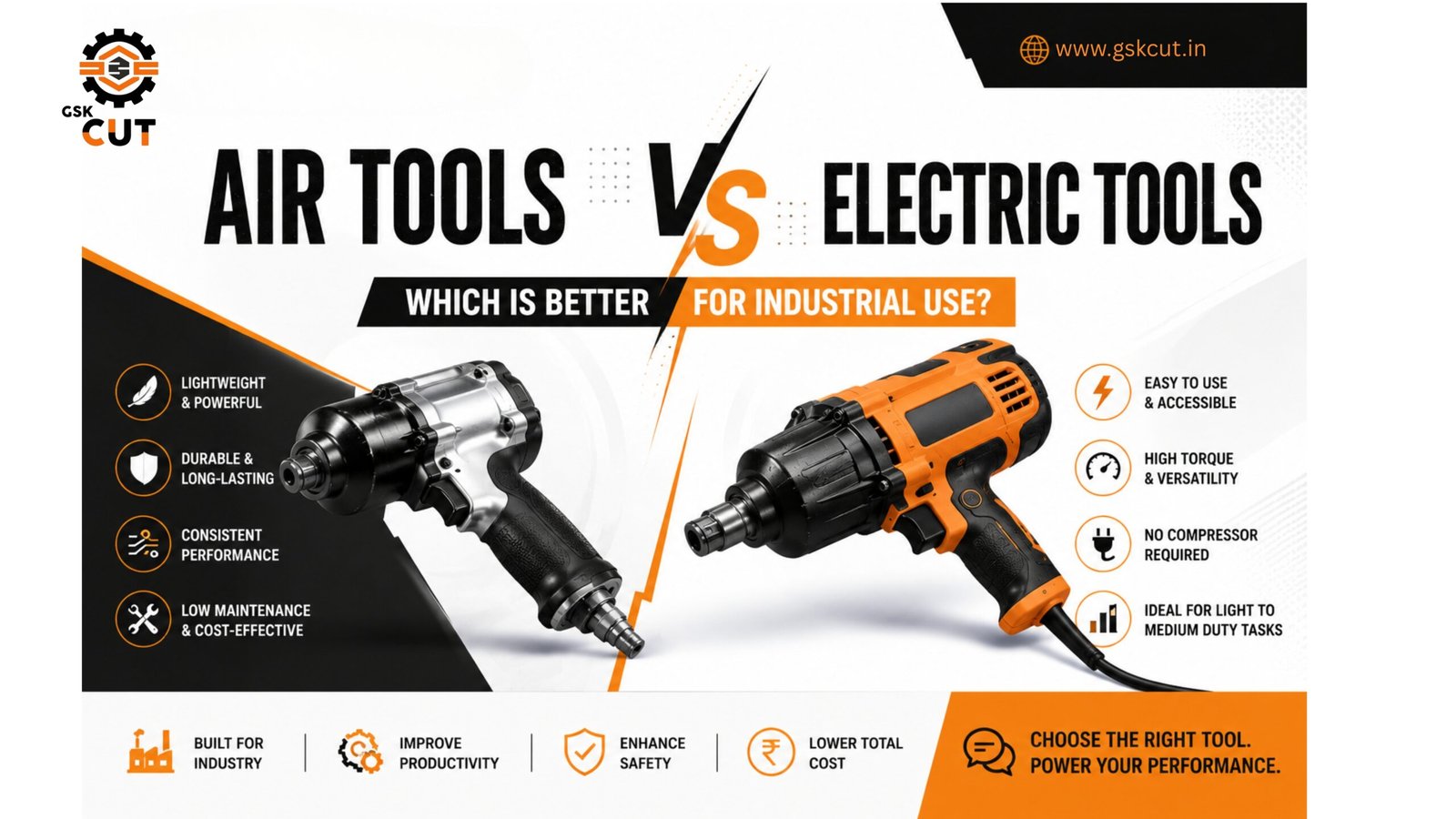
Air Tools vs Electric Tools: Which is Better for Industrial Use?
Choosing the right tools is one of the most important decisions for any workshop, fabrication unit, construction site, or industrial setup. Among the most common debates in the industrial world is:
Air Tools vs Electric Tools — which one is better?
Both tool types have their own advantages, applications, and limitations. The right choice depends on factors like power requirements, mobility, operating cost, maintenance, and work environment.
What Are Air Tools?
Air tools, also known as pneumatic tools, operate using compressed air supplied through an air compressor. These tools are commonly used in industrial environments due to their lightweight construction and powerful performance.
Popular air tools include:
- Air impact wrench
- Pneumatic drill
- Air grinder
- Spray gun
- Pneumatic nailer
Air tools are widely preferred in automotive workshops, manufacturing plants, and fabrication industries because they can handle continuous heavy-duty workloads efficiently.
What Are Electric Tools?
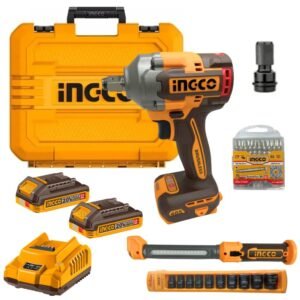
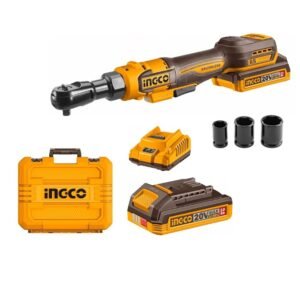
Electric tools operate using electricity or rechargeable batteries. They are among the most commonly used industrial and DIY tools because of their portability and ease of use.
Common electric tools include:
- Electric drill machine
- Cordless impact driver
- Electric angle grinder
- Electric sander
- Rotary hammer
Modern electric tools have become more powerful and efficient, especially with advancements in lithium-ion battery technology and brushless motors.
1. Power & Performance
Power is one of the biggest deciding factors when choosing industrial tools.
Air tools are generally known for delivering consistent torque and performance during continuous operations. Since they rely on compressed air instead of electric motors, they are less likely to overheat during extended use.
Electric tools are also powerful, especially professional-grade models. However, during long industrial usage, some electric tools may heat up faster compared to pneumatic tools.
2. Weight & Ease of Handling
One major advantage of air tools is their lightweight construction. Since pneumatic tools do not contain heavy motors or batteries, they are easier to handle for long working hours.
Electric tools, especially cordless versions, can become heavier because of battery packs.
- Less operator fatigue
- Better handling during long use
- Improved control and comfort
3. Portability & Convenience
Portability is where electric tools dominate.
Cordless electric tools provide exceptional mobility, making them ideal for on-site work, construction projects, and mobile operations.
Air tools require compressors and hoses, which can reduce flexibility and movement.
4. Maintenance & Durability
Air tools generally have fewer internal moving parts and no electrical circuits, making them highly durable in industrial environments.
However, the air compressor system itself requires regular maintenance.
Electric tools are easier to set up and maintain initially, but motors and batteries may wear out over time.
- Air tools offer longer life in heavy usage
- Electric tools are simpler for casual applications
- Both require proper maintenance for maximum lifespan
5. Initial Investment Cost
The cost difference between air tools and electric tools depends on the setup.
Air tools themselves are often affordable, but you must invest in an air compressor system, hoses, and fittings.
Electric tools may have a higher upfront cost, especially cordless professional-grade models, but they do not require additional compressor infrastructure.
6. Continuous Industrial Operation
For industrial applications where tools are used continuously for hours, air tools perform exceptionally well.
They maintain consistent performance without significant overheating.
Electric tools can perform well too, but prolonged heavy-duty operations may impact motor temperature and battery life.
7. Safety Considerations
Safety is extremely important in industrial environments.
Air tools are often considered safer in wet environments or hazardous work areas where electrical sparks could be dangerous.
Electric tools require proper electrical safety precautions and cable management.
Quick Comparison Table
| Feature | Air Tools | Electric Tools |
|---|---|---|
| Power | High | Medium to High |
| Weight | Lightweight | Heavier |
| Portability | Limited | Excellent |
| Maintenance | Highly Durable | Easier Setup |
| Continuous Use | Excellent | Moderate |
| Industrial Usage | Best | Good |
| Mobility | Low | High |
Which Tools Are Better for Industrial Use?
The answer depends on your application and work environment.
Choose Air Tools If:
- You run a large workshop
- You need continuous heavy-duty performance
- You already use compressor systems
- Durability is your top priority
Choose Electric Tools If:
- You need portability
- You work across multiple locations
- You prefer cordless convenience
- You require quick setup
Industrial Tool Trends in 2026
- Battery Technology: Longer runtime and faster charging
- Brushless Motors: Improved efficiency and durability
- Smart Features: Digital speed and torque control
- Automation: Smarter and safer industrial operations
Despite advancements in cordless technology, pneumatic tools continue to dominate large-scale industrial operations due to their reliability and performance.
Why Quality Tools Matter
Regardless of whether you choose air tools or electric tools, investing in high-quality equipment is essential for long-term success.
- Improved efficiency
- Better safety
- Longer lifespan
- Reduced downtime
- Professional-grade performance
Choosing trusted brands ensures consistent performance and reliability for industrial operations.
Conclusion
Both air tools and electric tools have their strengths and advantages.
For heavy-duty industrial operations, air tools remain one of the best choices because of their durability and continuous performance.
For mobility, convenience, and flexibility, electric tools are unmatched.
The best workshops often use a combination of both to maximize productivity and operational efficiency.
Upgrade Your Workshop with Professional Tools
Explore high-performance industrial tools designed for durability, efficiency, and professional use.
Visit www.gskcut.in